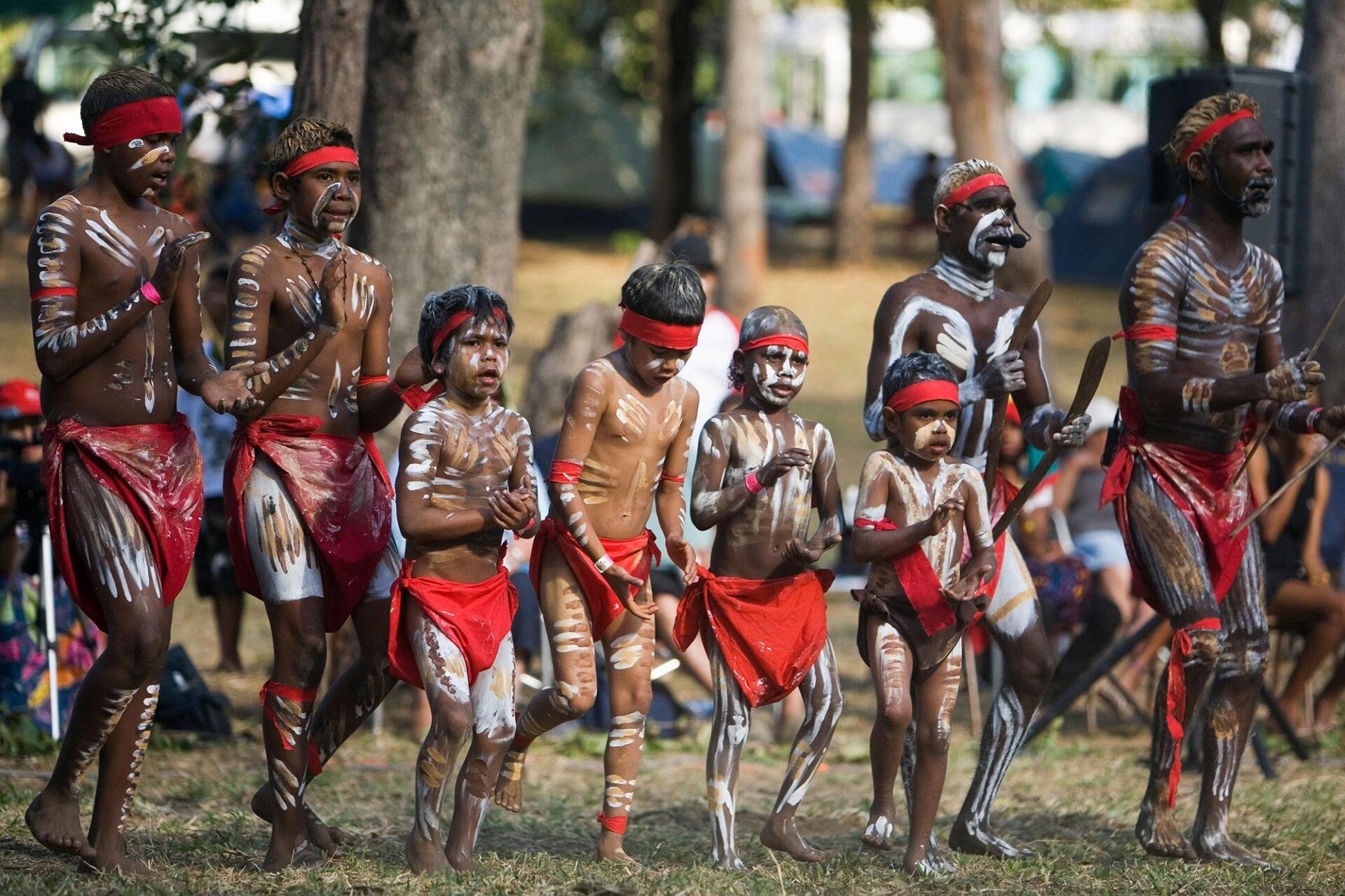
Cultural & Diversity Context
Cultural and diversity contexts acknowledge that children's identity, language and sense of belonging is influenced by the family, culture and community context. This includes Aboriginal and Torres Strait Islander children, refugee and immigrant families, culturally and linguistically diverse (CALD) communities and children with disability from diverse cultural backgrounds (Grace & Menzie, 2022). Bronfenbrenner's Ecological Systems Theory provides a description of children's development in terms of interwoven family, teacher, community and social systems (Bronfenbrenner, 1979). Therefore, if participation barriers are noted, they could be a reflection of systemic inequalities and not cultural differences. Celebrating diversity is a must but not sufficient. Educators need to go further and practice culturally responsive and culturally safe methods that involve real partnerships, respect for children's identities and home languages, and high expectations that ensure equity, inclusion and belonging for all children (AGDE, 2022; Reconciliation Australia, 2021).
The impact on children and families
Cultural identity and inclusion have a significant impact on the confidence, wellbeing and engagement in learning of children. Children with positive self-esteem with secure relationships and a sense of belonging are more likely to be accepted and respected for their language, culture and identity (AGDE, 2022). However, racism, discrimination and cultural exclusion can also adversely affect children's emotional health and wellbeing, their involvement and educational achievement. However, these challenges are not a product of children's cultural identities and educators should be aware of practices that may unintentionally exclude diverse learners (Grace & Menzie, 2022).

Intergenerational trauma and the legacy of colonisation are continuing to impact educational experiences and engagement of Aboriginal and Torres Strait Islander children. Language, settlement and education systems may also present barriers to refugee, immigrant and CALD families, including children with disability, and refugee, immigrant and CALD families can also be rich with cultural knowledge, multilingualism and resilience. It is crucial to see these experiences through a strength's lens and not a deficit lens, which is crucial for equitable practice. A culturally inclusive early childhood environment that values children's identity, works in partnership with families and challenges bias and stereotyping enables all children to engage confidently, build meaningful connections and a sense of belonging, regardless of their cultural, linguistic or social background (AGDE, 2022; Grace & Menzie, 2022; Reconciliation Australia, 2021).
Social Policy and Australian Responses

Australian policies and initiatives like the National Agreement on Closing the Gap, Closing the Gap, Reconciliation Australia, Narragunnawali: Reconciliation in Education, the Early Years Learning Framework (EYLF) v2.0 and settlement programs through the Department of Home Affairs all support equity, cultural inclusion and better outcomes for Aboriginal and Torres Strait Islander children and refugee and migrant families (AGDE, 2022; Coalition of Peaks & Australian Governments, 2020). These programs promote culturally responsive practice, support community connections and uphold children's rights to have a sense of belonging, language and culture. Policies cannot solve the systemic inequalities or the effects of colonisation, racism and social exclusion. The enacting of policies in everyday practice is key to genuine reconciliation and cultural safety. Early childhood educators therefore have a responsibility to take action on policy, including ensuring Aboriginal and Torres Strait Islander perspectives are integrated, home languages are used, families and communities are engaged in partnership, and all children are included, belong, and are held to high expectations, irrespective of cultural background (Grace & Menzie, 2022; Reconciliation Australia, 2021).
Five Evidence-Based Strategies
Educators must have an authentic approach to embedding Aboriginal and Torres Strait Islander perspectives in their lessons and not simply through tokenistic celebrations (AGDE, 2022). They should build partnerships with families, the community and with Elders and community leaders, respecting and appreciating the importance of cultural knowledge for children's learning. Home language support with bilingual resources/communication supports identity and belonging and learning. Classroom practice is also essential for teachers to learn how to be anti-bias, challenging stereotypes, racism and exclusion, and remembering that neutrality can maintain inequity. Finally, culturally safe environments need to be co-designed with families and policies, curriculum and communication need to be inclusive of Aboriginal and Torres Strait Islander children, refugee and migrant families, CALD communities and children with disability. The strategies work together to ensure equity, cultural safety, belonging and meaningful participation for all children (Reconciliation Australia, 2021).


Community & Professional Partnerships
There needs to be a transition from referral systems to effective partnerships that puts families and communities at the centre of children's learning and development, and enable shared decision-making. Working in partnership with Local Aboriginal Community Controlled Organisations (ACCOs), Aboriginal Education Officers and Cultural Liaison Officers provides culturally safe support for Aboriginal and Torres Strait Islander children that is based on self-determination and not imposed solutions. Reconciliation Australia and Narragunnawali do not advocate for symbolic events, but rather for all schools to be part of the whole school reflection and a reflection that includes reconciliation. Migrant Resource Centres and Settlement Services International (SSI) provide settlement, language and community integration, and build trust and family engagement to refugee and migrant families. Partnerships are reciprocal, based on cultural humility and respect, that allow educators to learn from communities; ensuring curriculum and practice is responsive to children's identities, languages and lived experience, rather than asking families to change to fit with dominant cultures of education (Baker et al., 2022; Flottman et al., n.d.; Grace & Menzie, 2022).6. Educator and kids' resources are available.
Professional Websites & Programs
Supports whole-service reconciliation through reflective practice and Reconciliation Action Plans (RAPs).
Provides evidence-based resources on reconciliation, truth-telling and cultural respect.
Highlights national priorities addressing educational, health and social inequities experienced by Aboriginal and Torres Strait Islander peoples.
Provides culturally informed, strengths-based and trauma-informed resources that promote children's wellbeing.
Children's Books (Birth–5 Years)
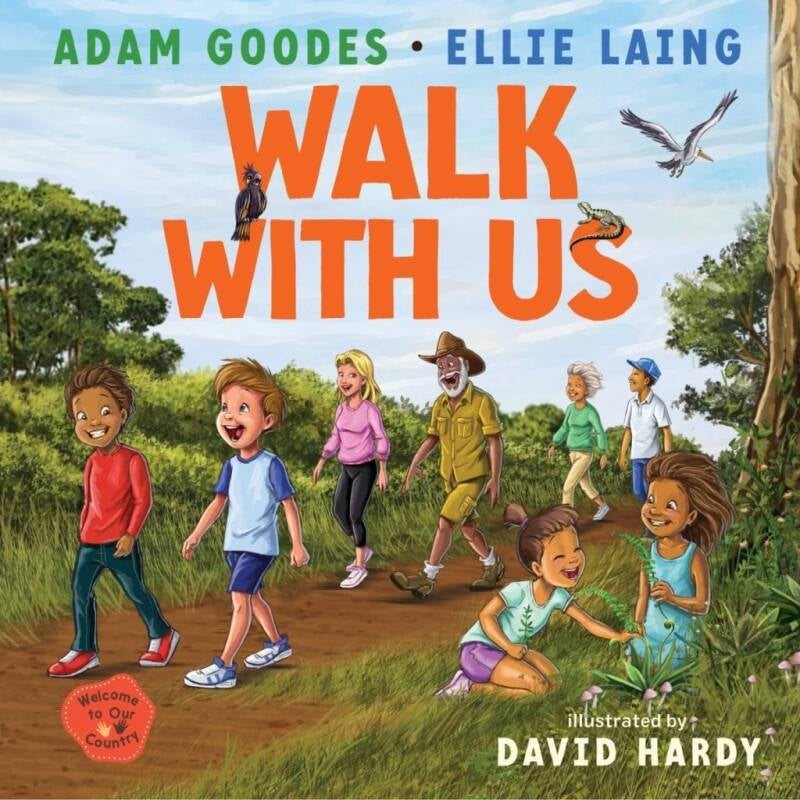
These books have been chosen as they help the children develop an understanding of inclusion, cultural respect and the sense of belonging from authentic and meaningful stories. Walk With Us and Our Home, Our Heartbeat reflects contemporary Aboriginal identity, culture and achievement and counters stereotypes. Truck Cat is a book about migration, language and belonging, and empowers children to be empathetic with refugee and immigrant experiences. Found presents First Nations perspectives of caring for Country, identity and connection to place. These books help to foster a positive attitude towards difference, respect for difference, understanding of culture and recognition that each child, family and community is different in some ways and has strengths in others.
Walk With Us – Adam Goodes & Ellie Laing
Our Home, Our Heartbeat – Adam Briggs

The Truck Cat – Deborah Frenkel & Danny Snell

Found – Bruce Pascoe

Videos, Podcasts & Educational Media
Little Yarns (ABC Kids Listen)
Introduces Aboriginal and Torres Strait Islander languages through stories and songs.
Little J & Big Cuz (ABC/NITV)
Authentically represents contemporary Aboriginal family life and culture.
Provides educator resources that promote truth-telling and cultural safety.
Strengthens educators' cultural competence and supports the authentic inclusion of Aboriginal voices in practice.
SBS Learn – Migration and Cultural Diversity Resources
Explores migration, refugee experiences and multicultural Australia through authentic stories.Customer Service Manager
Critical Reflection
The choice of culturally responsive resources is an ethical and pedagogical decision, not a curriculum checklist. Authentic inclusion is not about having more multicultural books or celebrating special cultural events, but about critically questioning who's knowledge is being represented, who's voice is privileged and who's experience is missing in everyday learning. Quality resources must give priority to Aboriginal and Torres Strait Islander perspectives, truly reflect the perspectives of refugee, immigrant and culturally and linguistically diverse families, and view disability, language, culture and identity as integral to children's lives. Resource selection is a powerful act of reconciliation, cultural safety, equity and social justice when educators deliberately choose resources that challenge stereotypes, multiple ways of knowing and position diversity as a strength so that every child feels a sense of belonging, respect and high expectations.
Create Your Own Website With Webador